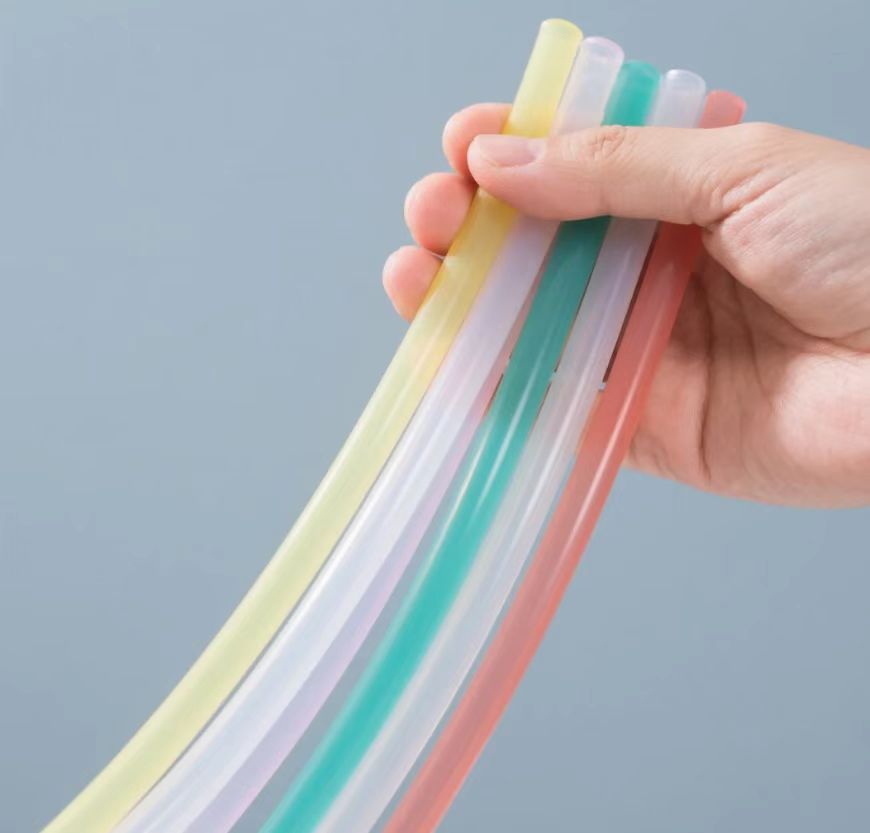
Are you trying to figure out a silicone hose's lifespan? You might be getting vague answers, making it hard to choose. A wrong choice can lead to failure and downtime.1
A silicone hose's lifespan isn't a fixed number of years. Its durability depends entirely on its application, including the media it carries, temperature, pressure, and physical stress.2 While a general-purpose hose might last for years, specialized uses have very different replacement cycles.
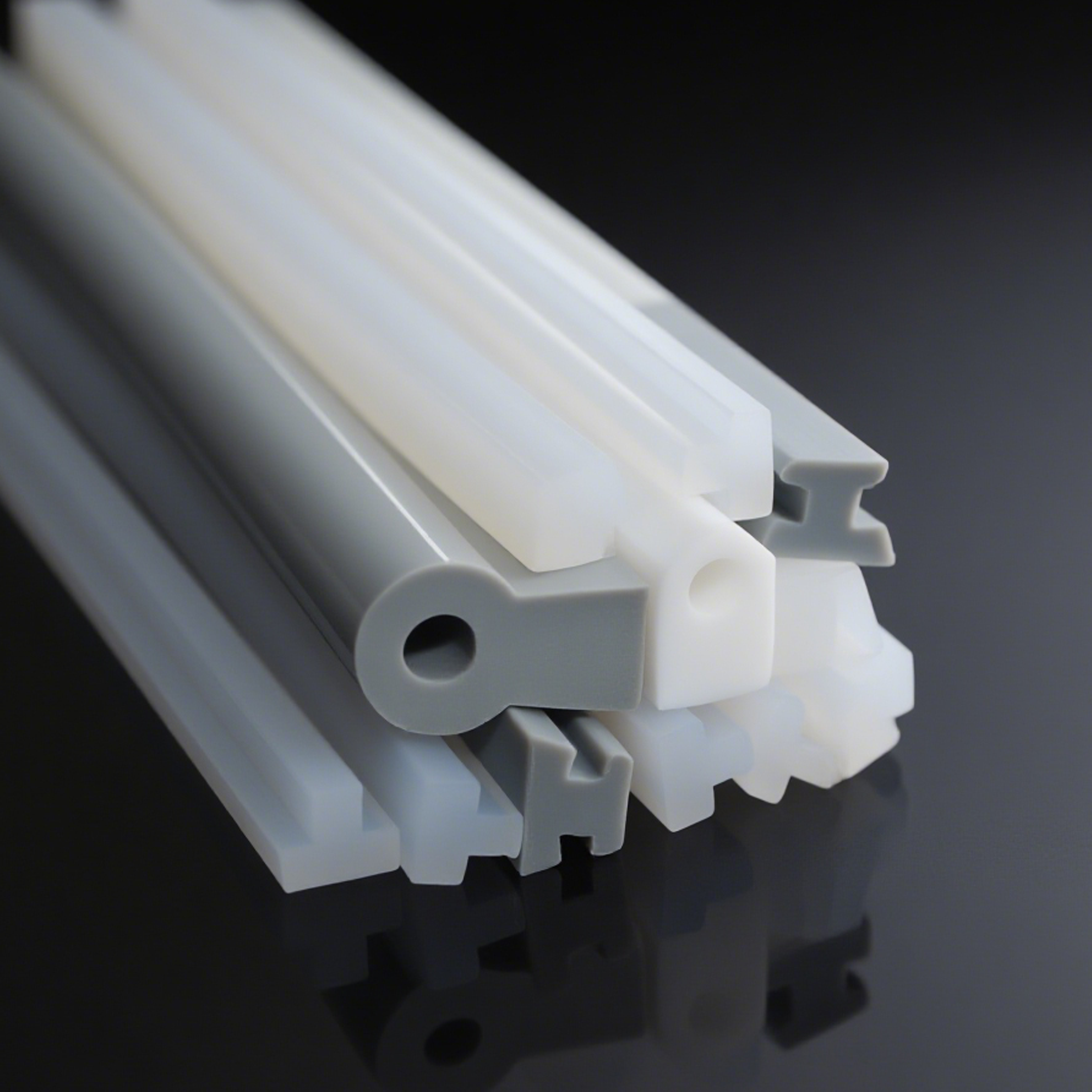
I get this question all the time from customers. Everyone wants a simple number, like "5 years" or "10 years." But the reality is much more complex. A hose used to transfer cool water in a lab is completely different from one carrying hot fluids in a car engine or one used in a food processing plant. To get a real answer, we have to stop asking "how long" and start asking "how will it be used?" Let's break down the real factors that determine how long your silicone hose will actually perform.
What factors actually determine a hose's lifespan?
Picking a hose based on a generic lifespan claim is a huge risk. If it fails sooner than expected, you face costly downtime and potential safety hazards. Let's look at the key variables that truly define how long your hose will perform reliably.
The most critical factors are the substance it carries (media), operating temperature, pressure levels, and physical stress like bending. A hose for low-pressure air will outlast one handling hot, pressurized chemicals. The material grade and hose structure also play a huge role in its durability.
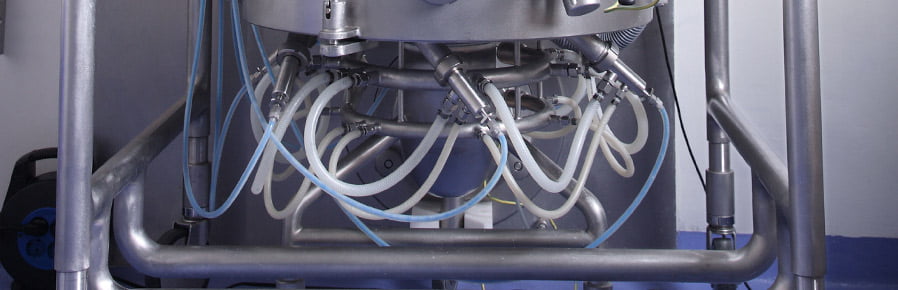
In every conversation I have with an engineer or a buyer, we quickly move past the "how many years" question. Instead, we focus on the specific conditions of their system. A silicone hose is not just one product; it's a category of solutions engineered for different jobs. To understand its true lifespan, you need to consider its working environment.
Key Performance Variables
Here are the core questions we ask to determine the right hose and predict its service life:
- Media: What is the hose carrying? Is it air, water, oil, a mild acid, or an aggressive chemical? Some fluids can cause silicone to swell or degrade over time, shortening its life.3
- Temperature: Will the hose be exposed to constant high heat, or will it cycle between hot and cold? Extreme heat can make silicone brittle, while constant temperature changes (thermal cycling) can cause stress and fatigue.4
- Pressure: Is it a low-pressure transfer line, a vacuum line, or a high-pressure system? High pressure requires a thicker wall or reinforcement, like braiding, to prevent bursting.5
- Physical Stress: Is the hose stationary, or does it bend and flex constantly? A tight bending radius puts a lot of stress on the hose wall and can lead to premature cracking.6
By defining these conditions, we can select a hose designed to handle them, ensuring it lasts as long as possible.
Does a food-grade hose last as long as an industrial one?
You might assume all silicone hoses are the same, just with different certifications. But a food-grade hose could fail quickly in a tough industrial job, and an industrial hose could contaminate your product. Let's clarify the real differences and their expected life in the right environment.
Not necessarily. Food-grade hoses are built for hygiene and safety, often with FDA or LFGB compliance.7 Industrial hoses are designed for durability against specific chemicals or high pressures.8 Each type of hose will last longest when used for its intended purpose, not interchangeably.

The design priorities for food-grade and industrial hoses are completely different. This difference directly impacts their durability under specific conditions. For a food and beverage client, the main concern is preventing contamination. The hose must not impart any taste or odor9, and it must withstand aggressive cleaning cycles with hot water or chemicals10. Its lifespan is often determined by how well it holds up to these sanitation processes without degrading.
For an industrial equipment manufacturer, the priority is performance and resistance. The hose needs to handle specific chemicals, high pressures, or extreme temperatures without bursting or leaking. Its lifespan is tied to its ability to resist abrasion, chemical attack, and mechanical stress. Using a food-grade hose in a high-pressure oil line would be a disaster11, just as using a standard industrial hose for milk transfer would be a major safety violation.
Here's a simple breakdown:
| Feature | Food-Grade Silicone Hose | Industrial-Grade Silicone Hose |
|---|---|---|
| Main Goal | Hygiene, safety, and non-toxicity | Durability and chemical/pressure resistance |
| Typical Stresses | High-temperature cleaning, food acids, fats | High pressure, oils, solvents, abrasion |
| Key Certifications | FDA, LFGB, REACH | Often based on performance specs, not hygiene |
| Failure Concern | Surface cracking, contamination, odor/taste | Bursting, chemical breakdown, leakage |
Each is built to last, but only within its designated application.
How can I choose a hose that will actually last?
You're tired of guessing and want a reliable way to select the right hose. A wrong choice leads to re-ordering, project delays, and potential system failure. Here is a practical checklist we use with our B2B clients to make sure they get a hose that meets their exact needs.
To choose a durable hose, define your application's conditions. Create a checklist including the media, temperature range, pressure, bending radius, and required certifications. Presenting this to a manufacturer ensures you get the right product for the job, one that is built to last.
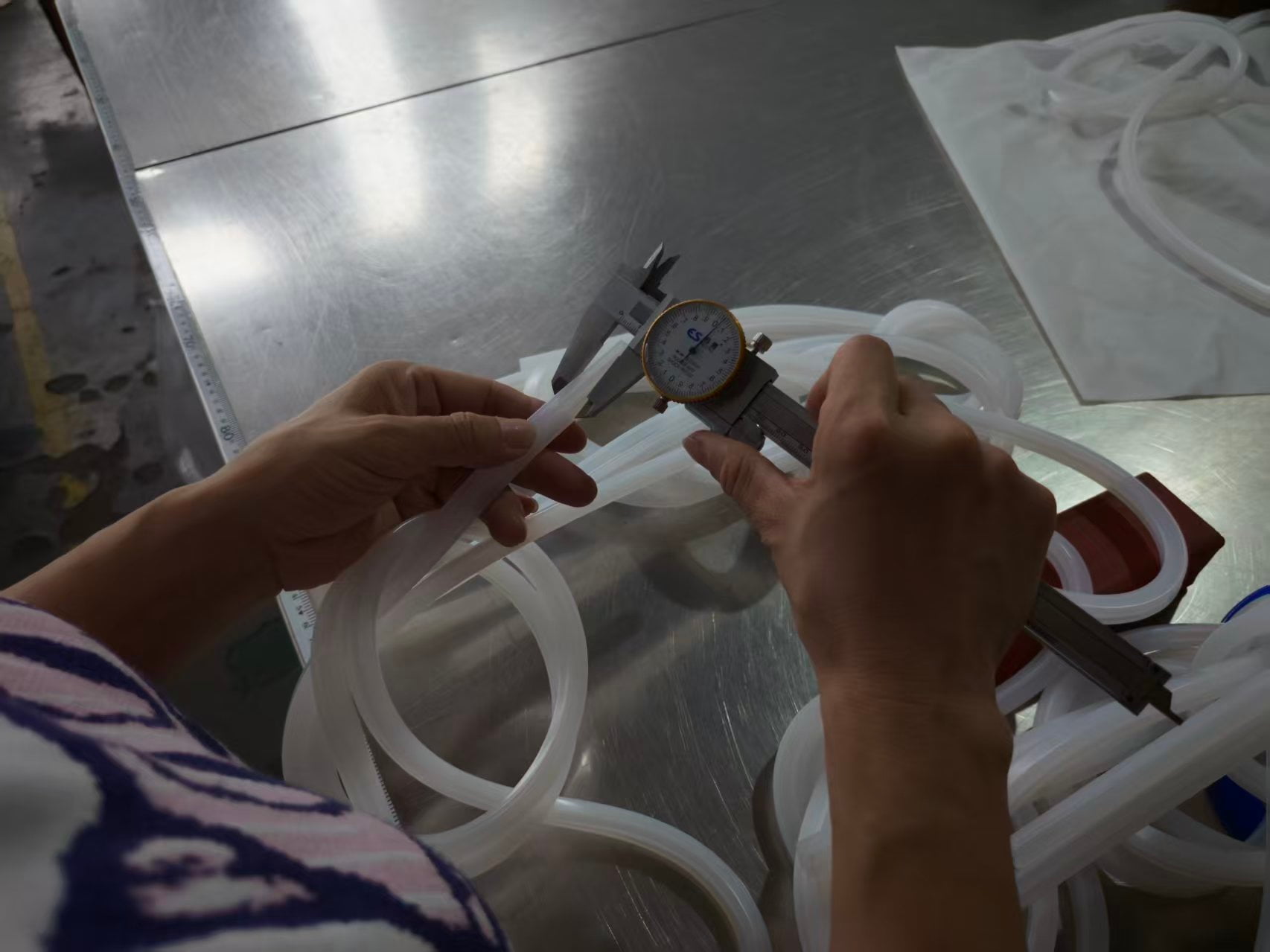
Instead of asking for a generic lifespan, providing your supplier with a detailed list of your operating conditions is the best way to get a hose that will perform reliably. This is the exact process we follow with our own customers. By working through a clear set of questions, we can match their needs to a specific product formulation and structure.
Here is the inquiry checklist you should use:
1. What will the hose carry?
Be specific. "Water" is different from "chlorinated water." "Oil" is different from "hydraulic fluid." The exact chemical composition determines the best silicone formulation.
2. What is the temperature range?
Provide the minimum and maximum operating temperatures. Also, mention if the temperature is constant or if it cycles frequently, as this affects material stress.
3. What is the working pressure?
Specify the pressure in PSI or Bar. Include whether it is positive pressure, a vacuum, or if it experiences pressure spikes. This tells us if reinforcement, like polyester or fiberglass braiding, is needed.
4. How will it be installed?
Describe the hose's path. Is it a straight run, or does it have tight bends? Knowing the minimum bend radius helps select a hose that is flexible enough to avoid kinking and stress cracking.
5. Are there any certification requirements?
List any standards the hose must meet, such as FDA for food contact, RoHS for electronics, or specific automotive standards.12 This ensures compliance and safety.
Conclusion
A silicone hose's lifespan isn't a fixed number. It's the result of matching the right hose to the right job. Use this checklist to define your needs for a durable solution.
"Why Industrial Hoses Fail and How to Prevent Downtime", https://www.customhydraulicsdesign.com/blog/1436/why-industrial-hoses-fail-and-how-to-prevent-downtime. Maintenance and reliability literature identifies improper hose or component selection as a contributor to leakage, premature failure, and unplanned equipment downtime; this supports the risk described here in general terms rather than quantifying downtime for silicone hoses specifically. Evidence role: general_support; source type: research. Supports: A reliability or maintenance source should document that incorrect hose or component selection can contribute to leaks, failures, and production interruption.. Scope note: The evidence is likely to be general to industrial hose or component selection, not limited to silicone hoses. ↩
"What Impacts The Lifespan of Industrial Hoses? - StrongFlex", https://www.strongflex.com/what-impacts-the-lifespan-of-industrial-hoses/. An engineering standard or technical handbook on rubber hose selection supports that hose service performance is governed by application conditions such as conveyed fluid, temperature, pressure, and installation stresses; this provides contextual engineering support rather than a direct lifespan prediction for every silicone hose. Evidence role: expert_consensus; source type: institution. Supports: A neutral hose or rubber engineering standard should identify fluid compatibility, temperature, pressure, and bending or installation conditions as factors in hose selection and service performance.. Scope note: The source may support the relevant selection factors generally, not provide a universal service-life value for silicone hoses. ↩
"Synergistic Effects of Multiple Environmental Factors on Degradation ...", https://pmc.ncbi.nlm.nih.gov/articles/PMC10647683/. Studies of silicone elastomers report that exposure to incompatible liquids can cause solvent uptake, swelling, and changes in mechanical properties, supporting the statement that conveyed media can shorten hose service life. Evidence role: mechanism; source type: paper. Supports: A materials science paper or compatibility database should show that silicone elastomers can swell or degrade when exposed to particular fluids or solvents.. Scope note: The magnitude of swelling depends on the specific silicone formulation, fluid, temperature, and exposure time. ↩
"Thermal Aging Rheological Behavior of Magnetorheological ... - PMC", https://pmc.ncbi.nlm.nih.gov/articles/PMC7730277/. Polymer aging research shows that elevated temperature exposure and repeated thermal cycling can change the mechanical properties of silicone rubber and promote embrittlement or fatigue-related degradation, supporting the mechanism described in the article. Evidence role: mechanism; source type: paper. Supports: A polymer aging study should show that heat aging and thermal cycling alter silicone rubber mechanical properties and can lead to embrittlement or fatigue damage.. Scope note: The source may evaluate test specimens rather than finished reinforced hose assemblies. ↩
"Reinforced Braid Hose: A Comprehensive Guide for Buyers", https://www.waterpipefactory.com/knowledge/reinforced-braid-hose-a-comprehensive-guide-for-buyers/. Hose design standards relate rated working and burst pressures to hose construction, including reinforcement layers and wall structure, supporting the statement that higher-pressure service requires appropriate reinforcement or wall design. Evidence role: mechanism; source type: institution. Supports: A hose standard or engineering reference should explain that hose pressure ratings and burst resistance depend on construction, including wall thickness and reinforcement.. Scope note: Standards generally specify performance requirements and test methods, not a single wall thickness suitable for all silicone hose applications. ↩
"Understanding Minimum Bend Radius and Proper Hose Installation", https://american-hose.com/understanding-minimum-bend-radius-and-proper-hose-installation. Hose installation guidance commonly specifies a minimum bend radius because excessive bending concentrates stress in the hose wall and reinforcement, which can reduce service life and contribute to cracking or failure. Evidence role: mechanism; source type: institution. Supports: A hose installation guideline or standard should state that bending below the recommended radius increases stress and can reduce hose life.. Scope note: The source may address rubber hoses broadly rather than silicone hoses alone. ↩
"21 CFR 177.2600 -- Rubber articles intended for repeated use. - eCFR", https://www.ecfr.gov/current/title-21/chapter-I/subchapter-B/part-177/subpart-C/section-177.2600. Food-contact regulations such as FDA 21 CFR 177.2600 address rubber articles intended for repeated food contact and specify compositional and extractive limits, supporting the characterization of food-grade hose requirements as safety- and hygiene-oriented. Evidence role: definition; source type: government. Supports: A government or official food-contact source should show that rubber or silicone materials intended for food contact are regulated for safe composition and extractables.. Scope note: FDA and LFGB are jurisdiction-specific frameworks and do not by themselves prove that any particular hose is compliant. ↩
"[PDF] INDUSTRIAL HOSE CHEMICAL RESISTANCE CHART", https://ushoseco.com/wp-content/uploads/2021/03/ChemRisistanceChartUSH.pdf. Industrial hose standards and technical specifications classify hoses by service conditions such as working pressure, burst pressure, and compatibility with conveyed substances, supporting the statement that industrial hoses are designed around chemical and pressure demands. Evidence role: general_support; source type: institution. Supports: A hose standard or technical reference should show that industrial hose specifications include pressure ratings, chemical compatibility, and durability requirements.. Scope note: The citation would support the general specification approach, not the performance of a specific product. ↩
"Off-flavour release from packaging materials and its prevention", https://pubmed.ncbi.nlm.nih.gov/11962711/. Food-contact material rules in major jurisdictions require that materials do not transfer constituents to food in ways that endanger health or cause unacceptable changes in composition, taste, or odor, supporting the article's statement about sensory neutrality. Evidence role: definition; source type: government. Supports: A food-contact regulation or guidance document should state that materials should not adversely affect food organoleptic properties such as taste or odor.. Scope note: Regulatory language may apply to food-contact materials generally rather than silicone hoses specifically. ↩
"What is Clean in Place (CIP)? - Oklahoma State University Extension", https://extension.okstate.edu/fact-sheets/what-is-clean-in-place-cip. Hygienic processing guidance for clean-in-place systems describes repeated exposure of equipment surfaces to hot water and chemical cleaning agents, supporting the need for food-contact hoses to be compatible with sanitation cycles. Evidence role: general_support; source type: institution. Supports: A hygienic design or food-processing sanitation source should document the use of hot water, detergents, acids, alkalis, or sanitizers in cleaning cycles and the need for compatible materials.. Scope note: The source may address food-processing equipment broadly and not specify silicone hose lifespan under those cycles. ↩
"Is silicone rubber gasket resistant to oil and fuel, or will it swell and ...", https://www.fromrubber.com/f753946/Is-silicone-rubber-gasket-resistant-to-oil-and-fuel-or-will-it-swell-and-fail.htm. Materials compatibility data and hose-selection guidance indicate that oil exposure and pressure rating must be evaluated separately from food-contact suitability, supporting the warning that a food-grade hose is not automatically appropriate for high-pressure oil service. Evidence role: mechanism; source type: research. Supports: A materials compatibility or hose-selection source should show that silicone compatibility with oils can be limited and that high-pressure service requires a suitable pressure-rated construction.. Scope note: The source would justify the technical risk but may not use the article's stronger wording or document a specific failure case. ↩
"21 CFR 177.2600 - Rubber articles intended for repeated use.", https://www.govinfo.gov/app/details/CFR-2011-title21-vol3/CFR-2011-title21-vol3-sec177-2600. Official food-contact, hazardous-substance, and automotive hose standards define compliance requirements for materials used in regulated applications, supporting the article's recommendation to identify applicable standards during hose specification. Evidence role: historical_context; source type: government. Supports: Official regulatory or standards sources should establish that FDA food-contact rules, RoHS substance restrictions, and automotive hose standards are used to define compliance requirements in relevant applications.. Scope note: No single source will cover all listed frameworks; multiple sources may be needed to substantiate each example. ↩
发表回复